Trastuzumab
Herceptin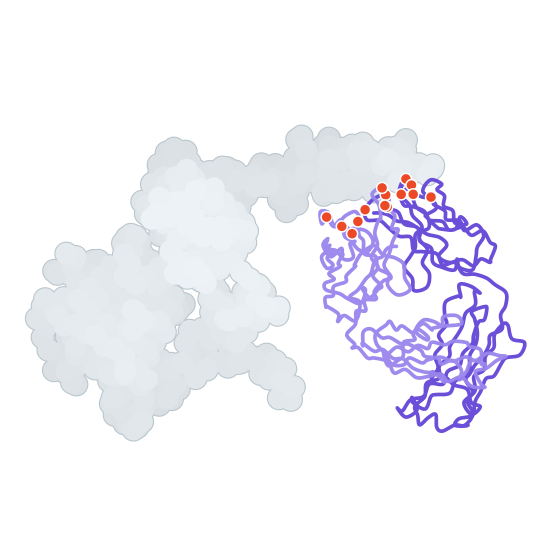
14 antibody residues touch HER2, each within 4 Å
Shown: the antibody's Fab, its antigen-binding arm, not the whole antibody.
A lab-made antibody that latches onto HER2, a protein some breast and stomach cancer cells overproduce, both blocking their growth signal and flagging the cells for destruction by the immune system.
How it works
Trastuzumab is a lab-made antibody that finds and clings to HER2, a protein that sits on the surface of some cancer cells and drives them to grow and divide. Once attached, it interferes with the growth signal HER2 normally sends into the cell, slowing the cancer down directly. At the same time, the antibody acts like a flag, marking the cancer cell so the immune system's own defense cells can recognize and destroy it. Because it works both by blocking growth signals and by recruiting the immune system, doctors first test a patient's tumor to confirm it actually has extra HER2 protein before prescribing it.
What it’s used for
Herceptin is used to treat breast cancer whose cells have extra HER2 protein — both to help prevent the cancer from coming back after early treatment, and to treat it once it has spread. It's also used, together with certain chemotherapy drugs, for advanced stomach or gastroesophageal cancer that has this same HER2 overexpression. Before starting treatment, doctors always run a lab test to confirm the tumor actually has extra HER2, since the drug only works on cancers with this feature.
- Mechanism
- HER2 receptor antagonist (mAb)
- Drug class
- Monoclonal antibody
- Therapeutic area
- Oncology
- Structure shown
- X-ray, 2003