Lisinopril
Zestril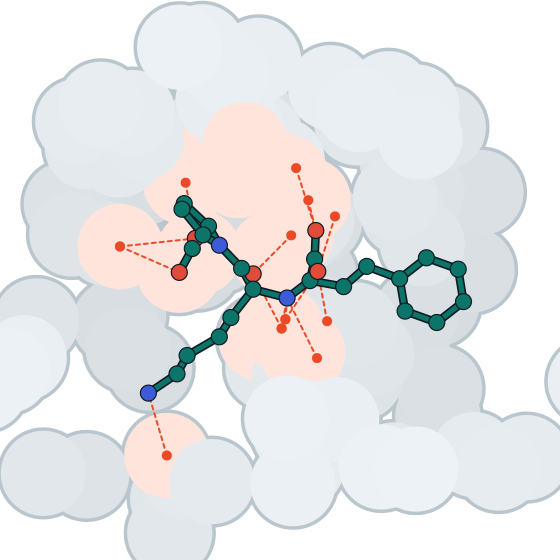
15 polar contacts with 11 residues, each within 3.5 Å
Blocks the enzyme that produces a blood-vessel-tightening hormone, so blood vessels relax and blood pressure drops.
How it works
Lisinopril blocks an enzyme called ACE that normally helps make a hormone that tightens blood vessels and triggers salt and water retention. Without that hormone being made, blood vessels relax and widen, and the body holds onto less salt and fluid, so blood pressure comes down. Blocking this enzyme also lets another substance build up slightly, which adds to the vessel-relaxing effect but can also cause a dry cough in some people. By easing the strain on blood vessels and the heart, it helps the heart pump more easily, which is why it's also used after a heart attack and in heart failure.
What it’s used for
Used for lowering high blood pressure in adults and children 6 and older, for helping manage heart failure alongside other heart failure medications, and for improving survival odds when started within 24 hours after a heart attack, in patients who are stable.
- Mechanism
- ACE (angiotensin-converting enzyme) inhibitor
- Drug class
- Small molecule
- Therapeutic area
- Cardiovascular
- Structure shown
- X-ray, 2003