Nivolumab
Opdivo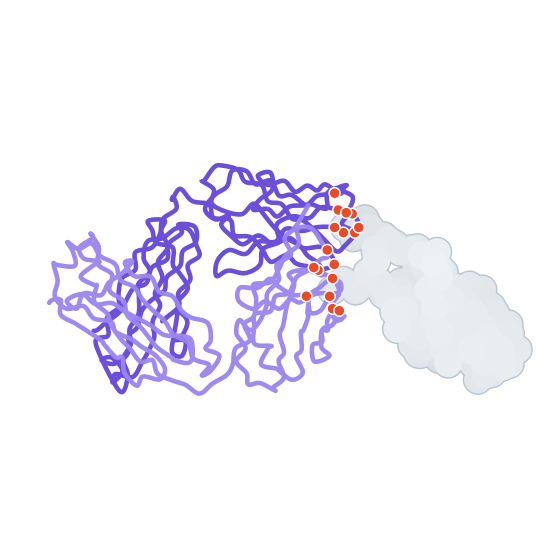
17 antibody residues touch PD-1, each within 4 Å
Shown: the antibody's Fab, its antigen-binding arm, not the whole antibody.
A lab-made antibody that attaches to the PD-1 brake on immune T-cells, releasing that brake so the immune system can recognize and attack cancer cells.
How it works
Cancer cells often hijack a normal off switch on immune cells called PD-1, using it to hide from the immune system. Nivolumab is an antibody that binds to PD-1 first, so cancer cells can't use it to shut the immune response down. With that brake released, the body's own T-cells can recognize and attack tumor cells more effectively.
What it’s used for
Approved to treat many different types of cancer, either on its own or paired with other cancer drugs, including skin cancer, lung cancer, kidney cancer, certain lymphomas, bladder cancer, and several other advanced cancers.
- Mechanism
- PD-1 checkpoint inhibitor (mAb)
- Drug class
- Monoclonal antibody
- Therapeutic area
- Immuno-oncology
- Structure shown
- X-ray, 2017