Adalimumab
Humira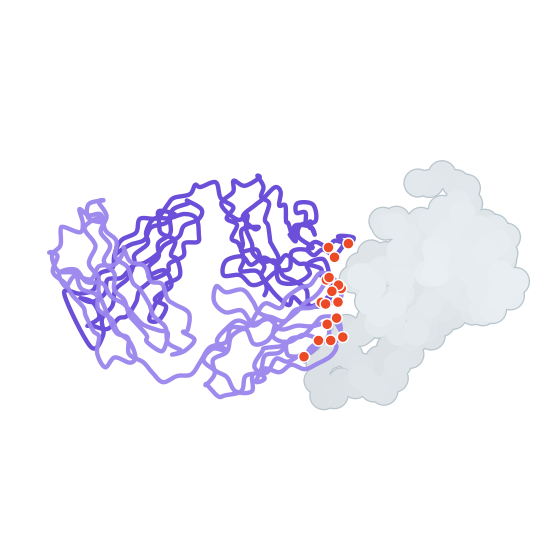
17 antibody residues touch TNF-α, each within 4 Å
Shown: the antibody's Fab, its antigen-binding arm, not the whole antibody.
A lab-made antibody that latches onto TNF-alpha, a protein that drives inflammation, blocking it from switching on immune cells and calming autoimmune conditions like rheumatoid arthritis and Crohn's disease.
How it works
Adalimumab is a lab-made antibody that grabs onto a protein called TNF-alpha, both the form floating in the blood and the form sitting on cell surfaces, before it can dock onto the receptors that switch on inflammation. By soaking up TNF-alpha, it cuts off one of the main triggers that would otherwise cause swelling and the breakdown of joint cartilage and bone seen in diseases like rheumatoid arthritis. It steers clear of a closely related molecule called lymphotoxin, so it calms inflammation without broadly shutting down the rest of the immune system. Overall, it works upstream, removing a key signal that keeps the immune system stuck in "attack mode" across joints, gut, skin, and eyes.
What it’s used for
It's approved to treat a wide range of autoimmune and inflammatory conditions: several forms of arthritis (rheumatoid, psoriatic, juvenile, and ankylosing spondylitis), inflammatory bowel diseases (Crohn's disease and ulcerative colitis), skin conditions (moderate-to-severe plaque psoriasis and hidradenitis suppurativa), and a form of eye inflammation called uveitis — used in both adults and, for many of these conditions, children.
- Mechanism
- TNF-alpha inhibitor (monoclonal antibody)
- Drug class
- Monoclonal antibody
- Therapeutic area
- Immunology
- Structure shown
- X-ray, 2013