Naproxen
Aleve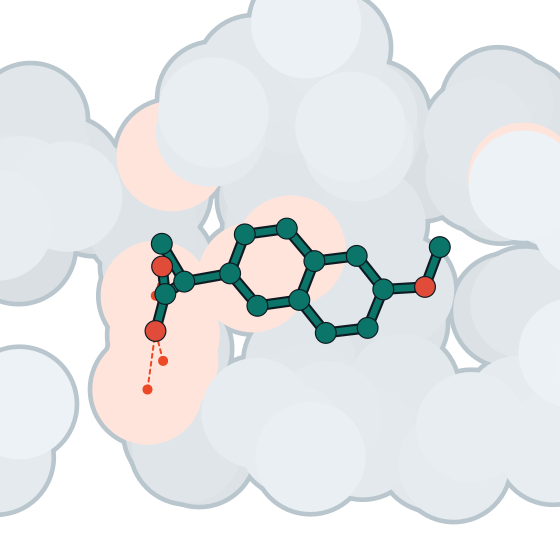
3 polar contacts with 2 residues, each within 3.5 Å
Blocks the enzymes that produce pain-, fever-, and inflammation-triggering chemicals in the body, with effects that last longer than similar drugs like ibuprofen.
How it works
When tissue is injured or irritated, the body produces chemical messengers called prostaglandins that cause pain, swelling, and fever. Naproxen blocks the two enzymes that make these messengers. With fewer prostaglandins being produced, there's less pain, less swelling, and lower fever. Because one of these enzymes also helps protect the stomach lining and support normal blood clotting, blocking it can lead to stomach irritation or easier bruising as a trade-off — the same basic mechanism shared by other NSAIDs like ibuprofen, just with a longer-lasting effect.
What it’s used for
Used for everyday aches and pains — headaches, backaches, muscle soreness, toothaches, menstrual cramps, minor arthritis pain, and cold-related aches — and to bring down a fever. At prescription strength, it's also used for longer-term joint conditions like osteoarthritis and rheumatoid arthritis, as well as flare-ups like gout attacks.
- Mechanism
- COX-1 / COX-2 inhibitor
- Drug class
- Small molecule
- Therapeutic area
- Analgesic / Anti-inflammatory
- Structure shown
- X-ray, 2010