Methotrexate
Trexall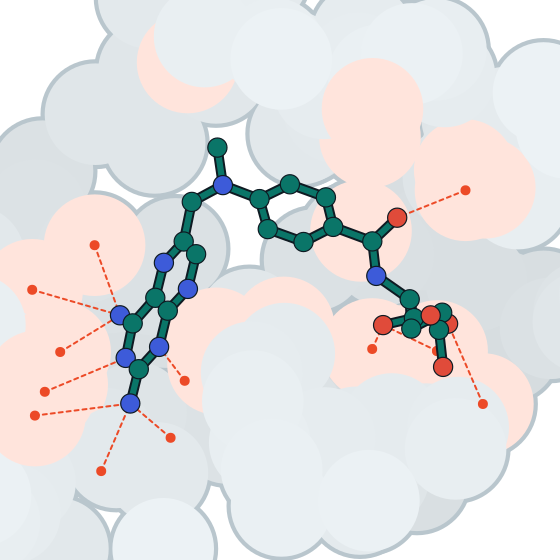
13 polar contacts with 9 residues, each within 3.5 Å
Blocks an enzyme cancer and inflammatory cells need to copy their DNA, slowing down abnormal cell growth and calming an overactive immune system.
How it works
The drug interferes with a chemical step cells need to build and repair their DNA. Because cancer cells divide quickly, this slows their growth and can help control certain leukemias and lymphomas. At the much lower doses used for arthritis and psoriasis, methotrexate instead seems to calm an overactive immune system, though scientists don't fully understand that separate effect. In cancer treatment, doctors often follow high doses with a rescue medicine to protect healthy cells from damage.
What it’s used for
Used to treat certain blood cancers, usually alongside other chemotherapy drugs. Also used to control long-term inflammatory conditions, including rheumatoid arthritis in adults, juvenile idiopathic arthritis in children, and severe psoriasis in adults, when other treatments haven't worked well enough.
- Mechanism
- Dihydrofolate reductase inhibitor (antimetabolite)
- Drug class
- Small molecule
- Therapeutic area
- Oncology / Rheumatology / Dermatology
- Structure shown
- X-ray, 2005